
Vodacom's Safaricom deal signals a new era of African growth
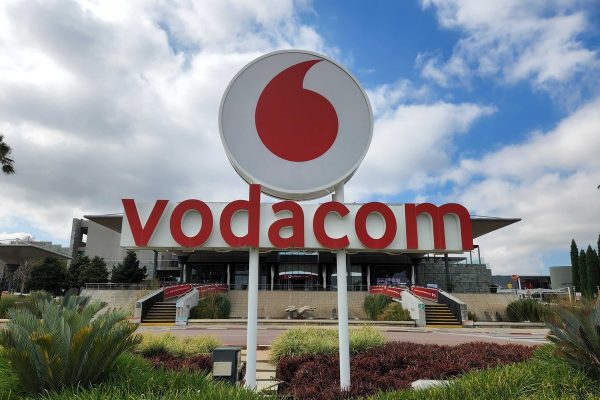
A transaction that significantly reshapes the telecommunications group's geographic footprint, earnings profile and long-term growth ambitions.
The acquisition, which increased Vodacom's shareholding in Safaricom from 35% to 55% with effect from 30 June 2026, comes as the company reported resilient first-quarter trading despite currency headwinds and subdued economic conditions in some of its key markets.
For the quarter ended 30 June, Vodacom reported Group revenue of R42.4 billion, an increase of 5.9%, while service revenue rose 6.3% to R34.3 billion. Excluding the impact of the stronger rand, underlying service revenue growth accelerated to 12.6%, comfortably within the company's medium-term target of double-digit growth.
The latest figures reinforce a strategic shift that has been unfolding over the past several years: Vodacom is increasingly becoming an African digital services and fintech business rather than solely a mobile network operator.
Safaricom transforms Vodacom's growth profile The consolidation of Safaricom is arguably the most significant corporate development in Vodacom's recent history.
Safaricom, East Africa's largest telecommunications company and the operator behind the globally recognised M-Pesa mobile money platform, gives Vodacom substantially greater exposure to faster-growing East African markets while strengthening its leadership in digital financial services.
Group CEO Shameel Joosub described the transaction as a defining moment in Vodacom's Vision 2030 strategy, saying it enhances the company's scale, diversification and long-term growth prospects.
The strategic impact extends well beyond geographical expansion.
With Safaricom now fully consolidated, financial services will contribute more than 22% of Vodacom's Group service revenue, up from approximately 13% previously. The enlarged business also processes an annual mobile money transaction value of approximately US$547.9 billion, underlining the growing importance of fintech as one of the group's primary earnings drivers.
The stronger growth outlook has prompted management to upgrade its medium-term earnings guidance, with EBITDA and operating free cash flow now expected to grow at an early-teens rate rather than merely double digits.
Vodacom has also lifted its Vision 2030 revenue ambition from more than R200 billion to more than R300 billion.
Egypt continues to outperform Egypt once again emerged as Vodacom's strongest operating market.
Service revenue increased 32.8% in local currency during the quarter, supported by continued investment in network infrastructure and additional spectrum. Financial services revenue in Egypt surged by 73%, highlighting the rapid adoption of digital financial products in one of Africa's largest consumer markets.
Egypt's consistent performance has become increasingly important to Vodacom's earnings diversification strategy, particularly as more mature markets experience slower growth.
South Africa remains resilient South Africa, which continues to generate a significant proportion of Group cash flow, delivered a relatively modest but stable performance.
Service revenue increased by 2%, reflecting ongoing consumer spending pressure and intense competition across the telecommunications sector.
However, management pointed to encouraging signs within the prepaid segment, which returned to growth after several quarters of weakness. The recovery follows pricing adjustments and simplified product offerings aimed at improving customer value.
While South Africa may no longer be Vodacom's fastest-growing market, it remains the financial foundation that supports investment across the broader African portfolio.
International operations gather momentum Outside South Africa and Egypt, Vodacom's International business also maintained strong momentum.
Service revenue increased 4.1% in rand terms, while underlying growth reached 14% after adjusting for currency movements.
Growth was driven largely by Tanzania, the Democratic Republic of Congo and Lesotho, illustrating the benefits of Vodacom's diversified presence across multiple African markets.
The stronger operational performance also helped offset the translation impact of a firmer rand on reported earnings.
Financial services become central to the strategy Perhaps the most notable trend emerging from Vodacom's latest results is the continued expansion of its financial services business.
Group financial services revenue climbed 17.8% to R4.5 billion during the quarter, reinforcing fintech as one of the company's fastest-growing segments.
Mobile money, payments, lending and digital financial products are becoming increasingly important contributors to both revenue growth and customer engagement.
This evolution reflects broader trends across Africa, where millions of consumers continue to access financial services through mobile devices rather than traditional banking infrastructure.
The scale of mobile money transactions processed across Vodacom and Safaricom's platforms further illustrates how telecommunications companies are increasingly competing within the financial services ecosystem.
Fibre and digital infrastructure remain priorities Beyond mobile connectivity, Vodacom continues to invest in fixed broadband infrastructure.
During the quarter, the group invested a further R0.8 billion into Maziv to support the completion of the Herotel transaction, strengthening its position in South Africa's fibre market.
Management believes expanding fibre infrastructure will improve digital access while supporting economic development and narrowing the country's digital divide.
The investment also reflects Vodacom's longer-term strategy of becoming a fully integrated digital infrastructure provider.
A revised capital allocation strategy The completion of both the Safaricom and Maziv transactions has prompted Vodacom to reassess its capital allocation priorities.
The board has updated its dividend policy to distribute at least 65% of headline earnings, balancing shareholder returns with continued investment in network expansion, digital platforms and financial services.
Management expects dividend growth in the 2027 financial year, subject to prevailing economic conditions and continued operational performance.
Looking ahead Vodacom's latest trading update suggests the company has reached an important strategic inflection point.
While South Africa remains the group's financial anchor, future growth is increasingly expected to come from faster-growing African markets and digital services rather than traditional voice and data revenue.
The integration of Safaricom provides Vodacom with greater exposure to East Africa's expanding digital economy while materially increasing its fintech footprint.
Execution will now become the critical test. Successfully integrating Safaricom, expanding financial services, growing fibre infrastructure and maintaining operational momentum across multiple jurisdictions will determine whether Vodacom can achieve its ambitious Vision 2030 target of generating more than R300 billion in annual revenue.
If the first quarter is any indication, the company believes it has positioned itself to become one of Africa's most diversified digital communications and financial services groups.